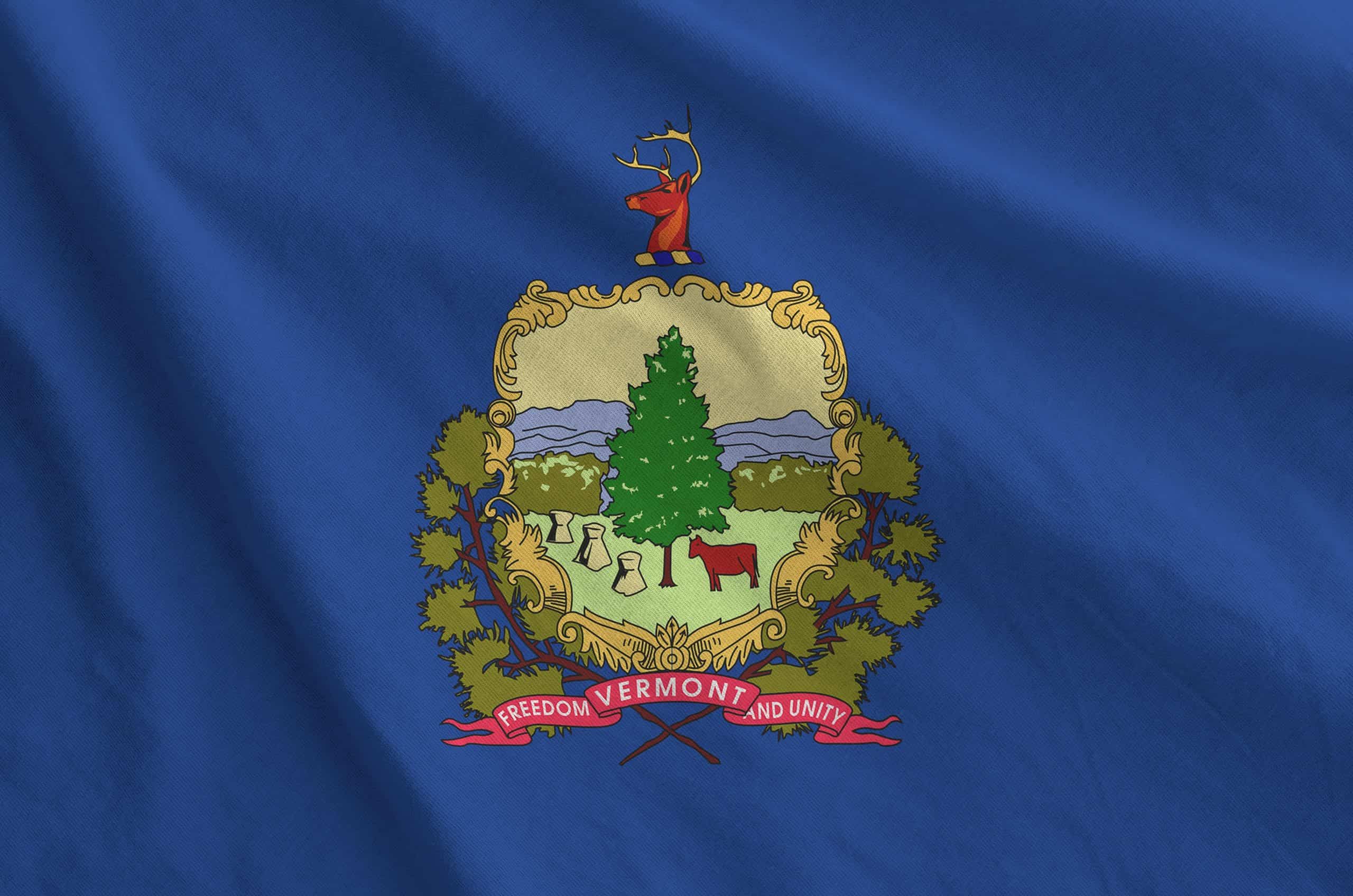
When most people think about global cannabis reform, places like California, Colorado, Amsterdam, or Canada usually come to mind first. But recently, an unexpected place has started gaining international attention for the way it regulates cannabis: Vermont. Despite being one of the smallest states in America, Vermont’s cannabis industry is now drawing interest from countries across the world — including nations in Africa that are actively trying to build legal cannabis and hemp industries of their own.
One of the biggest recent examples comes from Ghana, where officials are now working directly with experts in Vermont to help shape one of West Africa’s first regulated cannabis marketplaces. Ghanaian cannabis industry leaders recently traveled to Vermont to meet with the Vermont Cannabis Control Board, state officials, universities, and cannabis businesses to study how the state built its legal market from the ground up. According to multiple reports, Ghana is especially interested in Vermont’s small-business-focused approach, local agriculture model, and community-centered cannabis economy.
Unlike larger states that became dominated by massive corporate cannabis companies, Vermont built its industry around smaller cultivators, local ownership, craft cannabis, and tighter regulations. Many people inside and outside the industry believe Vermont created one of the more balanced cannabis systems in the United States by prioritizing local growers, product quality, and community involvement rather than allowing giant corporations to immediately control the market. Ghanaian officials reportedly see similarities between Vermont’s agricultural culture and their own local farming economy, making Vermont’s system easier to adapt compared to the heavily commercialized models seen elsewhere.
Vermont has also become known for taking a slower and more cautious approach to legalization. The state first legalized personal cannabis possession in 2018 before later building a fully regulated retail market. Instead of rushing into large-scale commercialization, Vermont focused heavily on regulatory structure, licensing, testing standards, public safety, and local control. The Cannabis Control Board was created specifically to oversee compliance, licensing, and enforcement while maintaining stricter advertising and public health protections than many other states.
For developing cannabis markets overseas, that structure is becoming extremely attractive. Many countries now realize that fully unregulated cannabis markets can quickly become chaotic, while overly corporate systems often push out small farmers and legacy growers. Vermont’s system is increasingly viewed as a middle ground — one that still creates economic opportunity while maintaining tighter oversight and preserving local participation in the industry.
Education is becoming another major reason Vermont is attracting international attention. Vermont State University’s Cannabis Studies program has recently expanded its global presence by helping Ghana develop cannabis education and workforce training programs. Faculty and regulators in Vermont are now advising Ghana on everything from cannabis certification programs to regulatory development and agricultural infrastructure.
The global cannabis industry is expected to become one of the fastest-growing agricultural and pharmaceutical sectors in the world over the next decade. Countries across Africa are increasingly exploring cannabis and industrial hemp as potential economic drivers for medicine, manufacturing, exports, textiles, wellness products, and farming development. Nations like Ghana are trying to avoid mistakes seen in other cannabis markets by studying systems that emphasize regulation, local agriculture, and long-term sustainability instead of pure corporate expansion.
For Vermont, this growing international attention is significant. A small rural state that only legalized adult-use cannabis sales a few years ago is now influencing conversations happening over 5,000 miles away. It shows how Vermont’s reputation for agriculture, independent business culture, and carefully structured regulation has started to carry global weight inside the cannabis industry. What began as a local policy experiment in the Green Mountains is now helping shape how other countries may build legal cannabis industries in the future.
Sources:
- WCAX — Vermont advising Ghana on budding cannabis industry
- Vermont State University Cannabis Studies Program
- Marijuana Policy Project — Vermont Cannabis Laws
- Cannabis Industry Lawyer — Vermont Cannabis Laws
- RAND Corporation — Considering Marijuana Legalization: Insights for Vermont and Other Jurisdictions